Mechanics

Hunger
Hunger falls as time passes. At zero, starvation drains health. Food changes hunger, health and sanity separately: compare all three before spending ingredients.

Sanity
Read health, hunger and sanity together. A meal can restore one meter while costing another. In the food catalogue, sort by sanity and compare the actual values before spending rare ingredients. Keep the edition selector on the game you are playing.
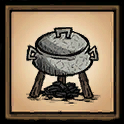
Crock Pot
A full pot can match more than one recipe. The matching dishes with the highest priority remain; when several share that priority, their weights determine the chance of each result. A useful ingredient is not automatically a safe filler for every recipe.
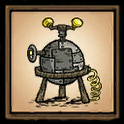
Crafting
Start with the edition you are playing. Check the recipe’s ingredients, crafting requirement and output before counting materials. Some recipes make several items in one batch; requesting one more item can require another complete batch.

Combat
Only the strongest armour absorption reduces a normal physical hit. The absorbed damage is shared between equipped armour pieces for durability loss; their protection percentages are not added.

Thermal
Cold and heat protection depend on the edition. Choose equipment by its insulation type, not its name, and keep one item per equipment slot. Check the temperature planner before a long expedition.
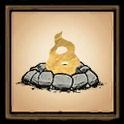
Fuel
A fire accepts only its own fuel type. Adding fuel beyond its capacity wastes the excess. Rain can shorten its burning time; compare the same fuel in different fires.
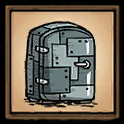
Freshness
Ordinary food becomes stale after half its freshness is gone, and spoiled when only a fifth remains. Storage and temperature change this pace. Frozen items can stop perishing in cold storage.

Insights
Choose your survivor and set your earned experience. The point budget follows the experience thresholds. Select a skill to read its description, then learn it when its requirements are met. Removing a prerequisite also removes selections that depend on it.